Understanding your dog's anxiety
A trip to the groomer can be overwhelming for a dog, especially if it is their first time. The unfamiliar smells, sounds, and handling can trigger fear. Dogs may react by trembling, hiding, or even snapping. It is important to recognize that this is a normal response to a new experience. Your dog is not being difficult, they are simply unsure of what is happening. The good news is that with the right preparation, you can help your dog feel more at ease.
Start by thinking about what specifically might be causing anxiety. Is your dog nervous around new people? Do they dislike being touched in certain areas? Are they sensitive to the sound of clippers or the feel of a bath? By identifying the triggers, you can work on desensitizing your dog at home. Simple exercises like touching your dog's paws, ears, and tail gently can help them get used to being handled. Reward calm behavior with treats and praise.
Getting your dog used to handling
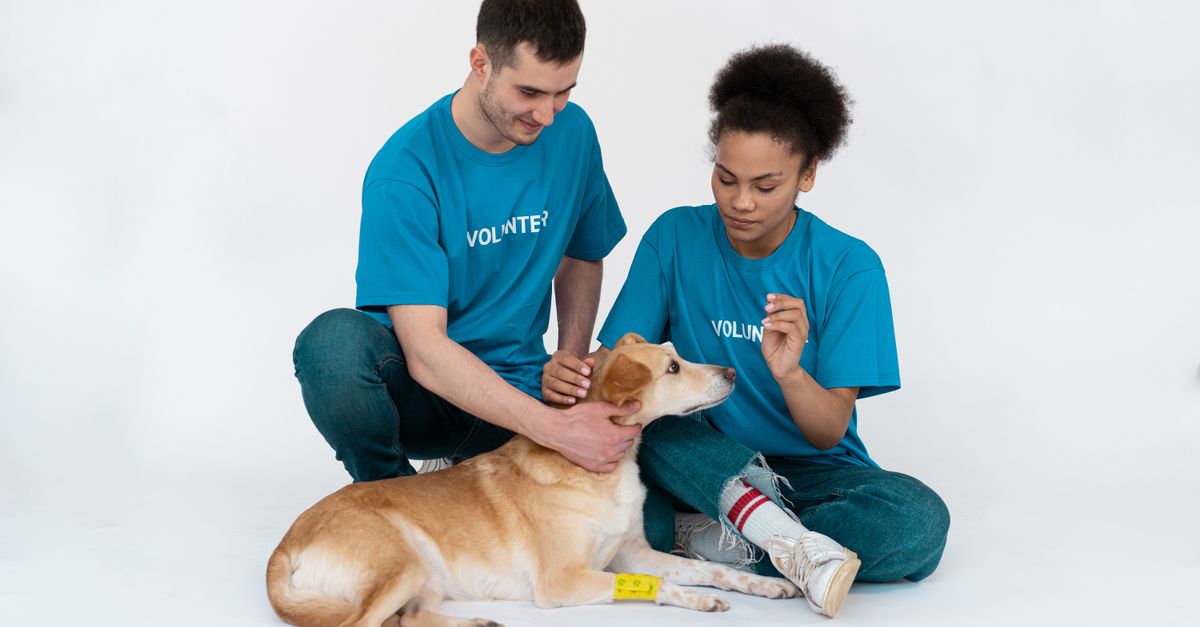
Before the groom, spend time each day touching your dog's paws, ears, and tail. Use a calm voice and offer treats so your dog associates handling with positive experiences. If your dog pulls away, do not force it, go slowly and stop before they get too stressed. The goal is to build trust, not to push your dog past their limits. You can also practice brushing at home, especially if your dog is not used to being groomed. Start with short sessions and gradually increase the time.
Pay special attention to areas that are often sensitive, like the paws and the hind end. Gently squeeze each paw and touch the nails, as if you were going to trim them. Run your hands along your dog's back and legs. This helps your dog learn that being touched is not a threat. If your dog has a particularly sensitive spot, work on it in small increments. The more comfortable your dog is with handling at home, the easier the groomer's job will be.
Creating a calm experience at home
The day of the groom, keep your dog as calm as possible. Take them for a good walk before the appointment so they have a chance to burn off energy. A tired dog is often less anxious. Avoid feeding a large meal right before the groom, as a full stomach can make some dogs queasy. Bring along a favorite toy or a familiar blanket to provide comfort. These familiar scents can help your dog feel more secure in an unfamiliar environment.
When you arrive at the grooming shop, remain calm and confident. Dogs pick up on your emotions, so if you are anxious, your dog will be too. Speak to your dog in a soothing tone and avoid long goodbyes, a quick, cheerful departure is better. The groomer is trained to handle nervous dogs, so trust their expertise. When you return to pick up your dog, greet them warmly and offer praise. This helps your dog associate the grooming experience with a positive outcome.
What the groomer will do
A professional groomer will take things at your dog's pace. They will introduce the dog to the grooming area gradually, letting them sniff and explore. The bath is usually first, followed by drying, brushing, and any haircut. The groomer will use gentle handling and may take breaks if your dog becomes too stressed. Some groomers use calming aids like pheromone sprays or soothing music. You can ask about these options when you book the appointment.
It is important to communicate with the groomer about your dog's anxiety. Let them know if your dog has any specific fears or sensitivities. A good groomer will adapt their approach to suit your dog's needs. They may use a slower introduction to the clippers or avoid certain areas until the dog is more comfortable. The goal is to make the experience as positive as possible, so your dog learns that grooming is not something to fear.
After the groom
When you pick up your dog, they may be a little tired or subdued. This is normal, grooming can be exhausting, especially for a nervous dog. Give them time to decompress at home. Offer water and a comfortable place to rest. Praise them for their bravery, even if they were nervous. Over time, with repeated positive experiences, most dogs become more comfortable with grooming.
If your dog had a particularly difficult time, talk to the groomer about what happened. They may have suggestions for future visits, such as shorter sessions or additional calming techniques. You can also work on building your dog's confidence at home with regular brushing and handling. Remember that every dog is different, and some may always be a bit nervous. With patience and consistency, you can help your dog learn to tolerate, and maybe even enjoy, their grooming appointments.